Beyond the Spectrum
Beyond the Spectrum
Beyond the Spectrum


Designed By:
Kate Brown
Nobin George
Lin He
Xiaoran Liu
Creative Lighting Table Installation
University of Sydney
2025
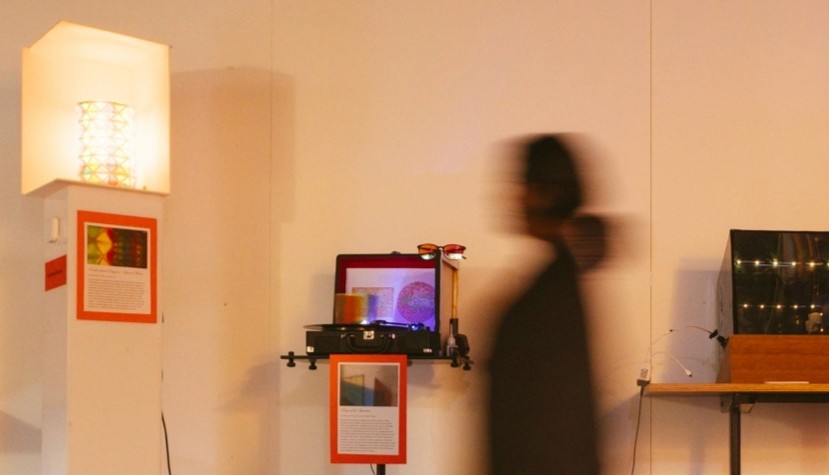
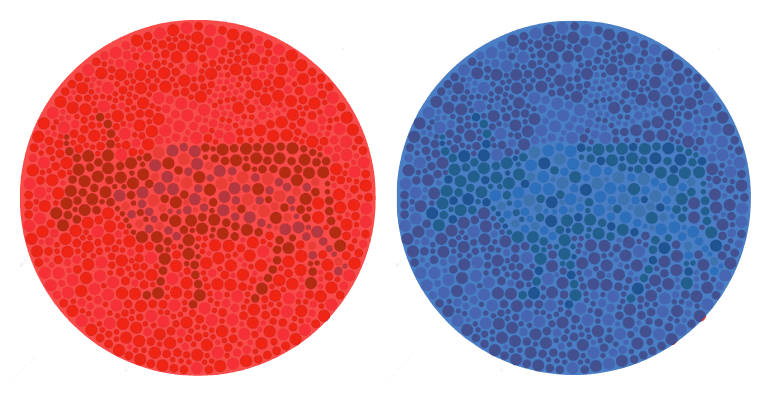
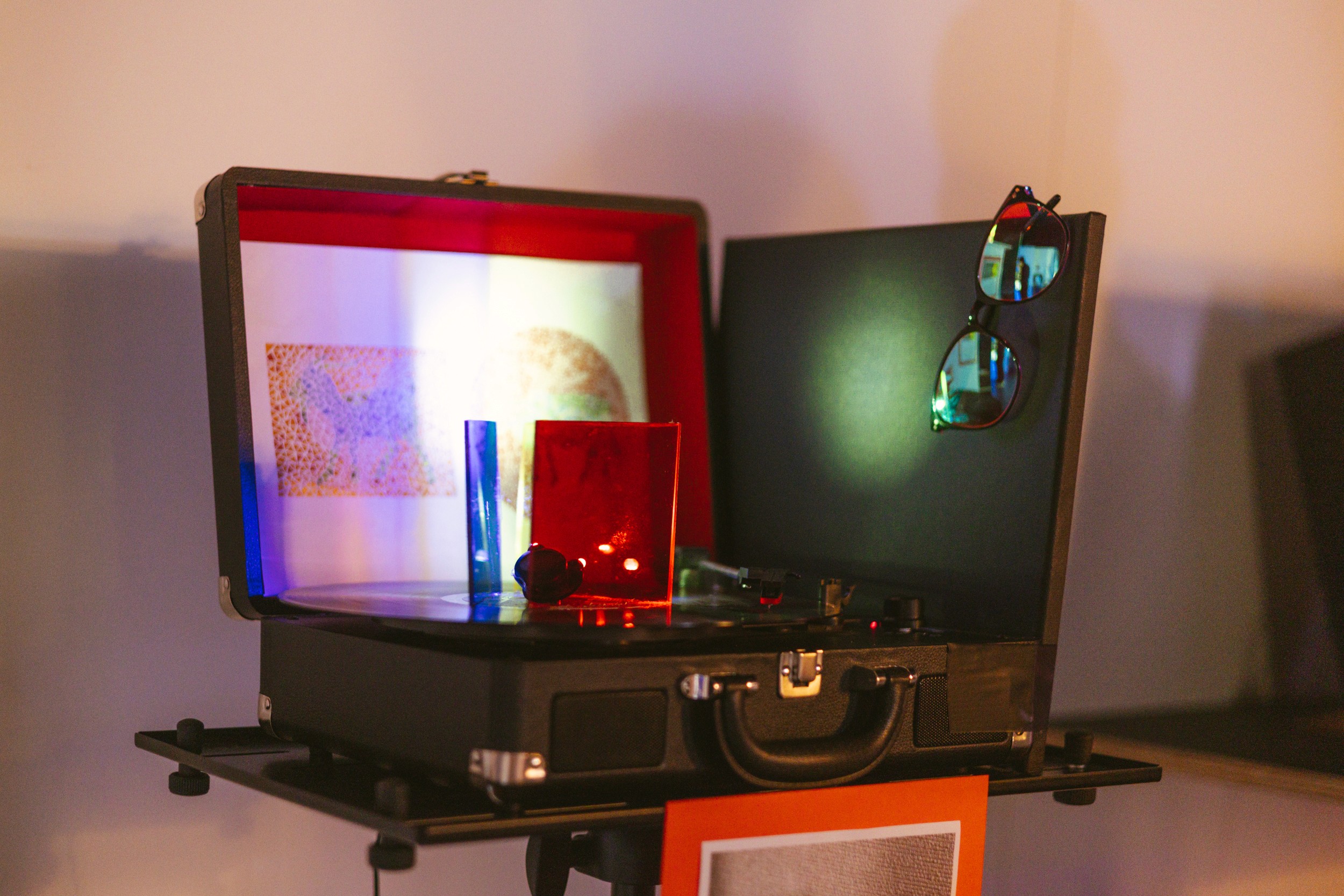
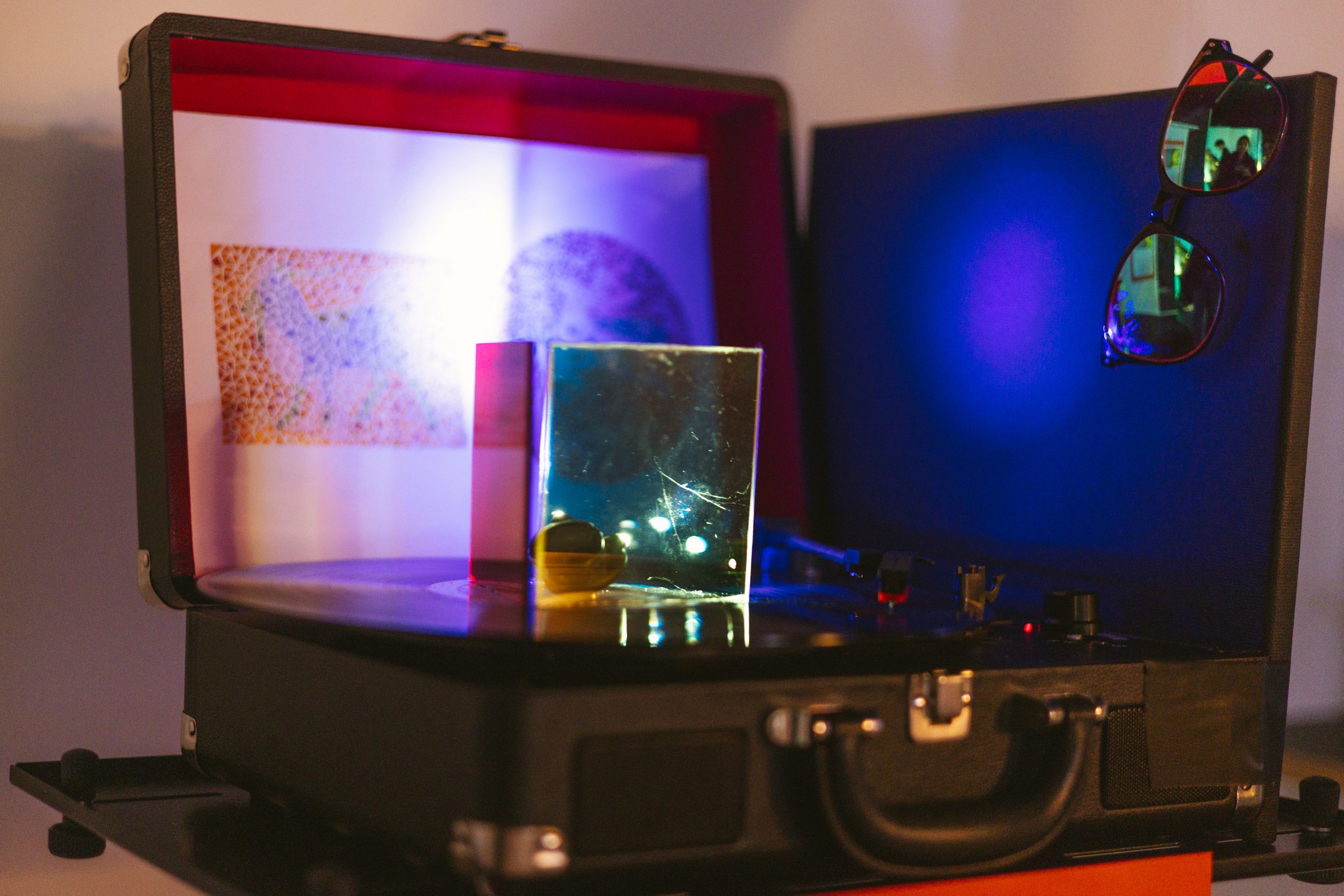
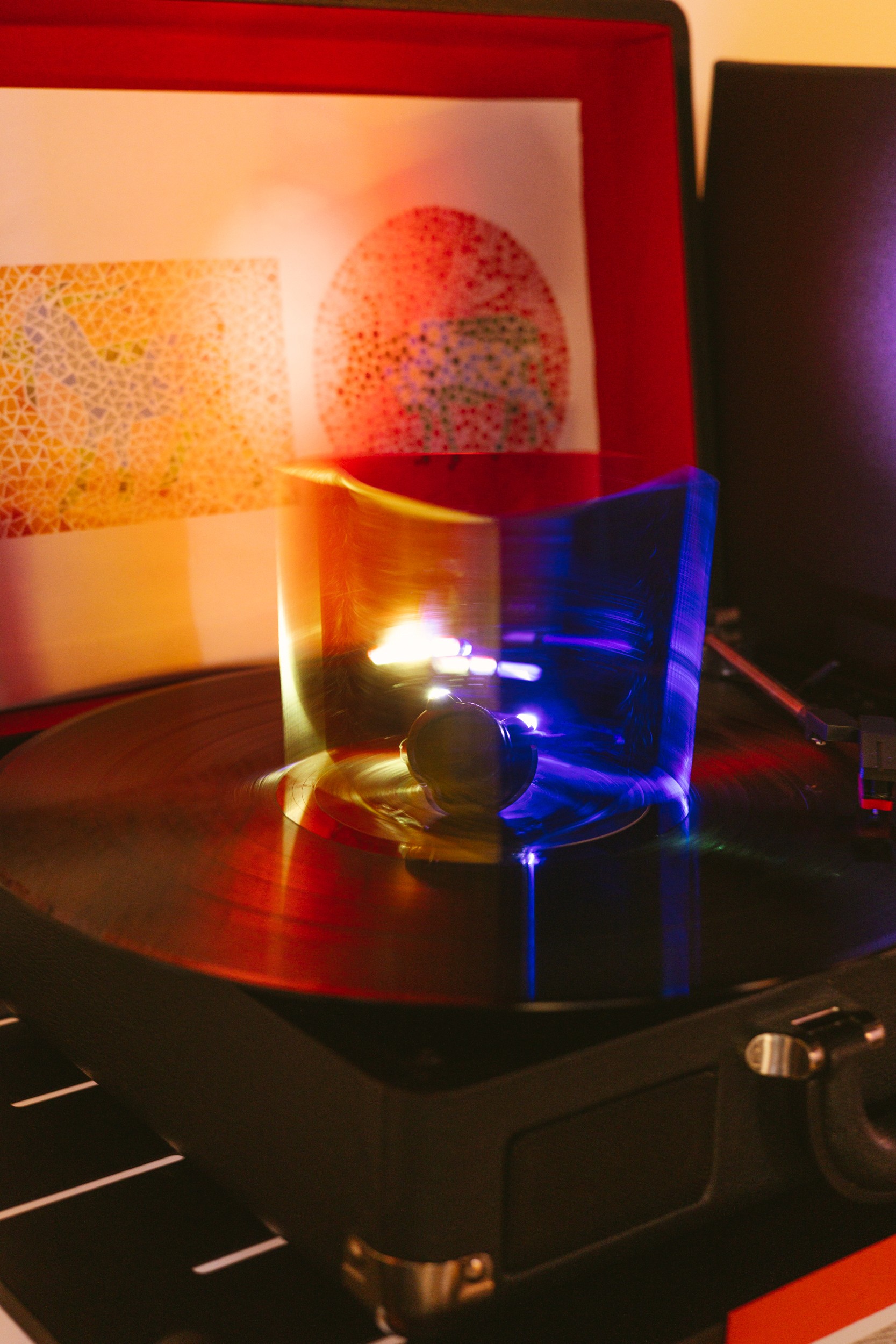
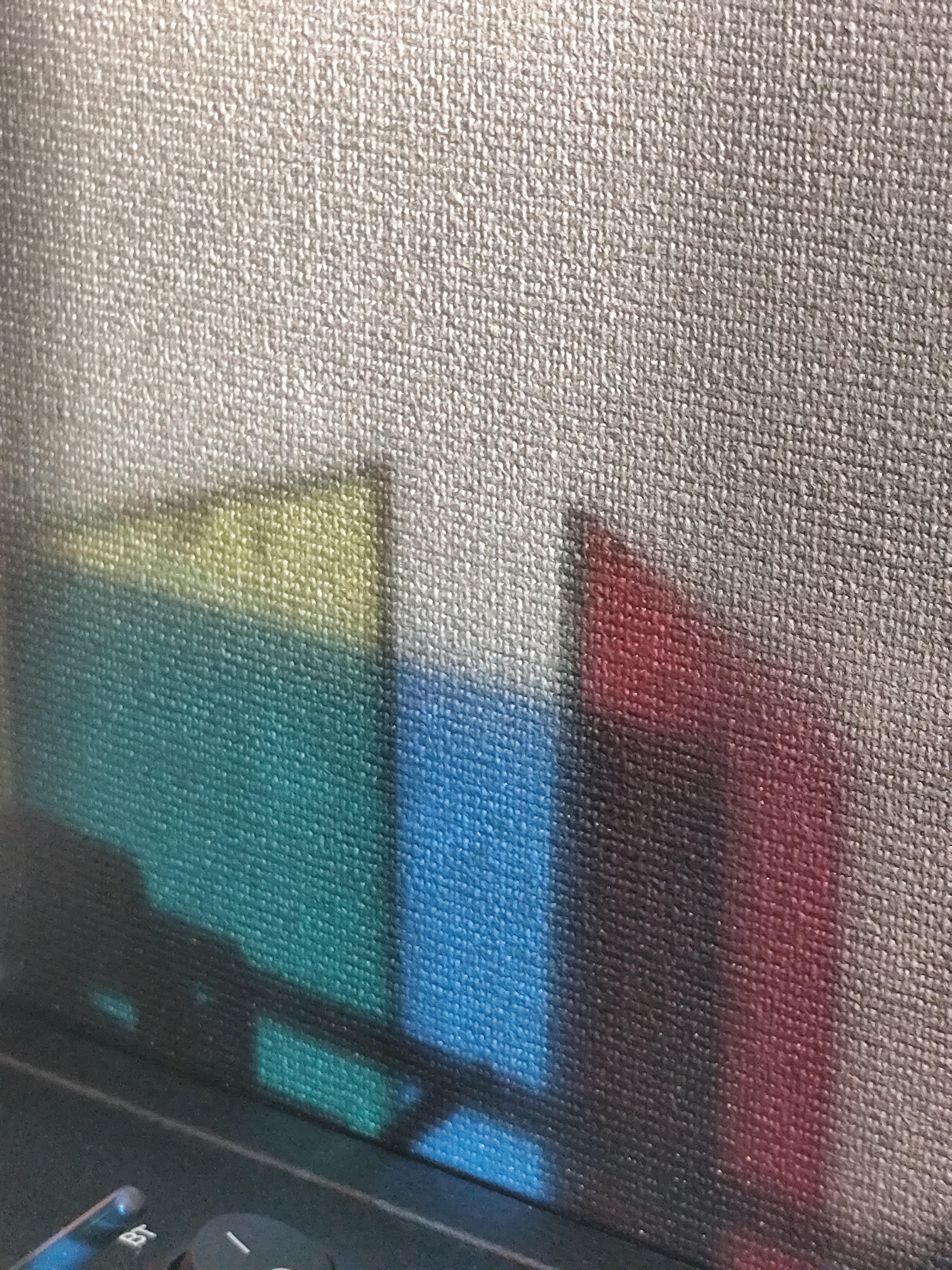
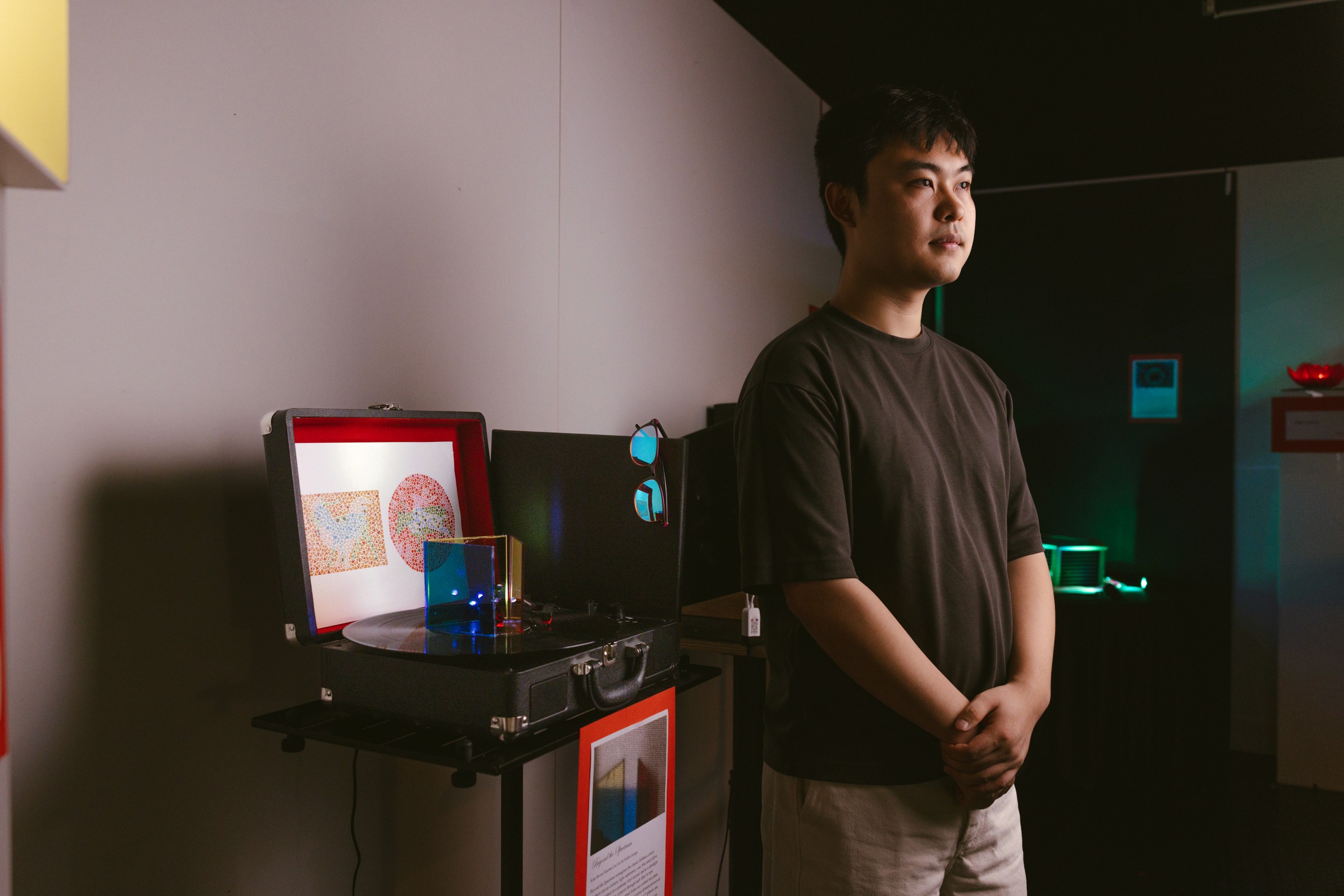
Beyond the Spectrum reimagines the classic Ishihara colour-blindness test as a kinetic light experience. Red, blue, and yellow filters are mounted on a spinning vinyl record; as a spotlight moves with the rotation, it passes through each filter in turn, alternately revealing different animal forms on a dotted test plate.
The shifting imagery reflects how people with colour-vision deficiency perceive a limited colour range. EnChroma™ glasses allow visitors to compare unaided and enhanced sight, encouraging empathy for different visual experiences.
Beyond the Spectrum reimagines the classic Ishihara colour-blindness test as a kinetic light experience. Red, blue, and yellow filters are mounted on a spinning vinyl record; as a spotlight moves with the rotation, it passes through each filter in turn, alternately revealing different animal forms on a dotted test plate.
The shifting imagery reflects how people with colour-vision deficiency perceive a limited colour range. EnChroma™ glasses allow visitors to compare unaided and enhanced sight, encouraging empathy for different visual experiences.
How It Works
How It Works
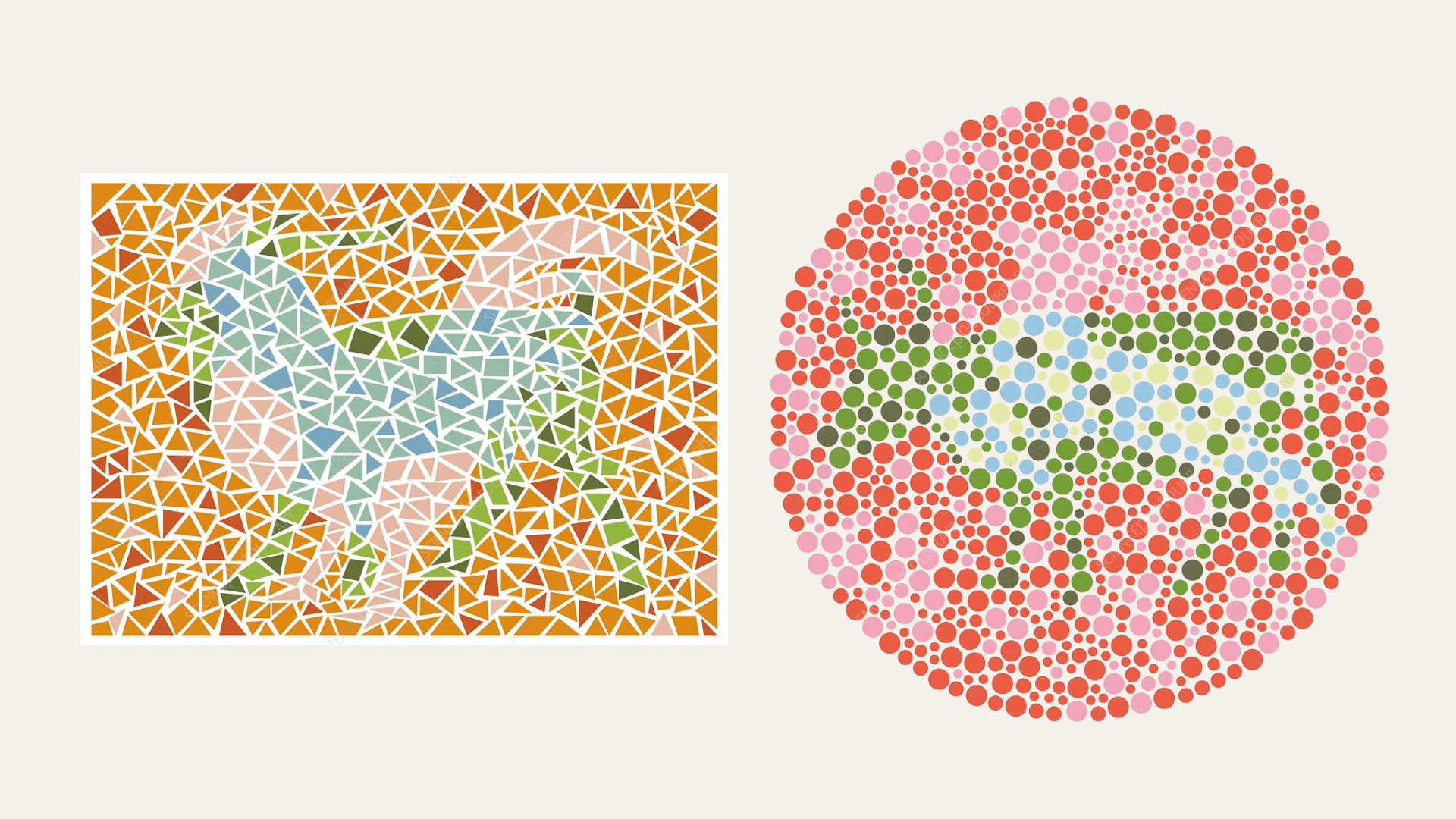
When viewing Ishihara colour blindness test sheets consisting of circular dot colour compositions we introduced spinning coloured lenses positioned on a record player with a single diffused pin spot light source. This tried and tested approach reveals and animates overlapping images (eg a cow turns into a deer) to show the rapid effect of how colour variation and mixing can influence how we see. Further demonstrating the visual perception of those living with or without colourblindness.
When viewing Ishihara colour blindness test sheets consisting of circular dot colour compositions we introduced spinning coloured lenses positioned on a record player with a single diffused pin spot light source. This tried and tested approach reveals and animates overlapping images (eg a cow turns into a deer) to show the rapid effect of how colour variation and mixing can influence how we see. Further demonstrating the visual perception of those living with or without colourblindness.
Academic Reference
Academic Reference
Our research lead us to articles from nature, Dr. Wang as mentioned in his article that colour blindness is not rare to see, with individuals of Northern European ancestry, as many as 8 percent of men and 0.5 percent of women experience the common form of red-green colour blindness3. If a submitted manuscript happens to go to three male reviewers of Northern European descent, the chance that at least one will be color blind is 22 percent. (Wong, 2011)
Thus we want to create this installation to raise social awareness to colour blindness issues and how people can adapt using simple measures in their everyday environment making their lifestyle and experience more comfortable.
Our research lead us to articles from nature, Dr. Wang as mentioned in his article that colour blindness is not rare to see, with individuals of Northern European ancestry, as many as 8 percent of men and 0.5 percent of women experience the common form of red-green colour blindness3. If a submitted manuscript happens to go to three male reviewers of Northern European descent, the chance that at least one will be color blind is 22 percent. (Wong, 2011)
Thus we want to create this installation to raise social awareness to colour blindness issues and how people can adapt using simple measures in their everyday environment making their lifestyle and experience more comfortable.